Home >
Strokes
Stroke is the leading cause of death globally, particularly in China, while survival may be accompanied by severe chronic disabilities.
Strokes are caused by blocked blood flow to the brain (ischemic stroke) or sudden bleeding in the brain (hemorrhagic stroke). Many factors raise your risk of stroke.
Factors that you can control account for 82% to 90% of all strokes:
⦁ High blood pressure
⦁ Obesity
⦁ Physical inactivity
⦁ Poor diet
⦁ Smoking
Ischemic stroke: If a blood clot breaks away from plaque buildup in a carotid artery in the neck, it can travel to an artery in the brain, causing brain tissue death.
(Credit: NIH)
Hemorrhagic stroke: an aneurysm in a cerebral artery breaks open, causing bleeding and increase pressure in the brain further resulting in brain tissue death.
(Credit: NIH)
Other risk factors are based on lifestyle, genetics, and environment:
⦁ Age is a risk factor, too. A stroke can occur at any age, but the risk is higher for babies under the age of 1 and for adults as they grow older.
⦁ Anxiety, depression, and high stress levels, as well as working long hours and not having much contact with family, friends may raise your risk for stroke.
⦁ Family history and genetics play a role as well. Your risk of having a stroke is higher if a parent or other family member has had a stroke. People with blood type AB (which is not common) have a higher risk.
⦁ Living or working in areas with air pollutioncan also contribute to stroke risk.
⦁ Other medical conditions, such as sleep apnea, kidney disease, and migraine headaches, are also factors.
⦁ Other unhealthy lifestyle habits, including drinking too much alcohol, getting too much sleep (more than 9 hours), and cocaine, may raise stroke risk.
⦁ Sex can play a role in risk for stroke. At younger ages, men are more likely than women to have a stroke. Women are also at higher risk during pregnancy and in the weeks after giving birth. High blood pressure during pregnancy — such as from preeclampsia — raises the risk of stroke later in life.
⦁ Viral infections, such as lupus or rheumatoid arthritis, can cause inflammation.
01
The patients must see the doctors as soon as possible, to stop deterioration of the disease.
02
The patients must utilize the comprehensive methods combining western medicines with Asian traditional medicines including herbs, acupuncture, scraping (Gua Sha), meditation, qigong, food supplements, laughter therapy, hypnosis, hyperthermia for treatments and rehabilitation of the strokes.
03
The patients try to have a healthy lifestyle, maintain a good mood and have sufficient physical exercise to prevent reoccurrence of the strokes.
04
The patients must keep warm to prevent viral infections.
05
For the first mild stroke, the patients must utilize the comprehensive methods to stop deterioration of the strokes leading to severe disabilities.
NYU Langone Hospitals (USA)
Mount Sinai Brooklyn (USA)
AdventHealth Orlando (USA)
Mayo Clinic-Florida (USA)
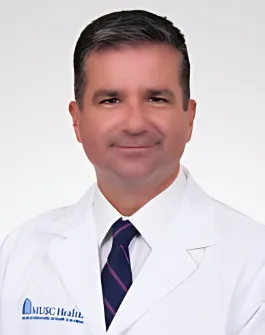
Dr. Alejandro M. Spiotta, MUSC University Hospital
Dr. Dawn O. Kleindorfer, Neurology Clinic, Ann Arbor, MI
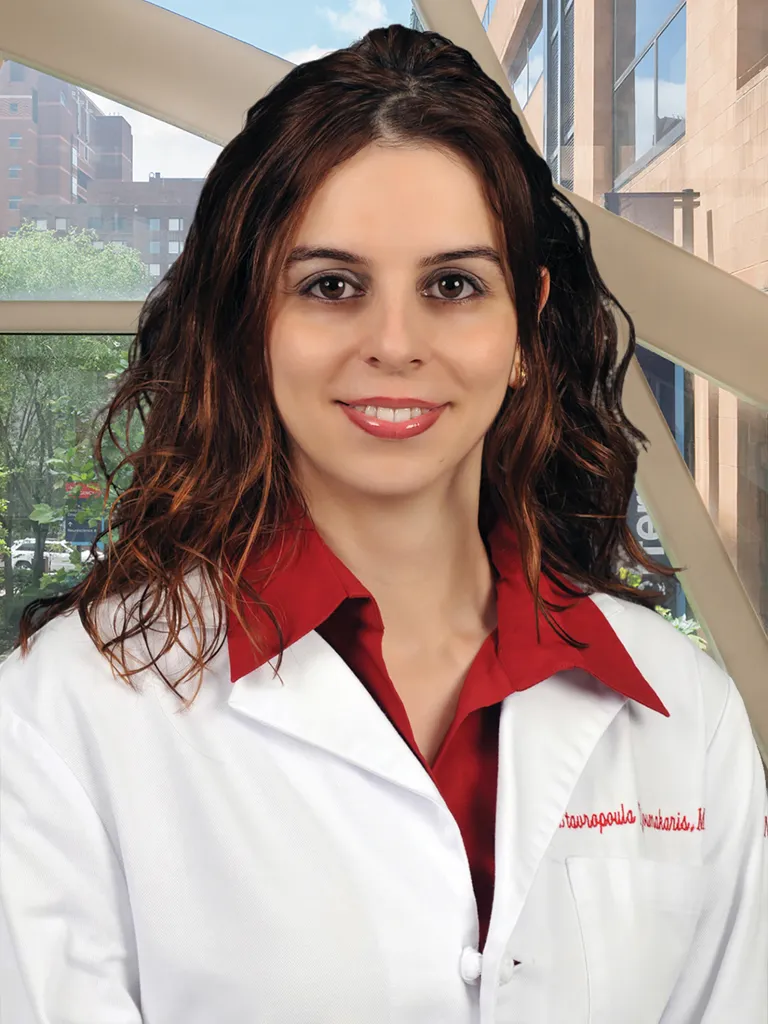
Dr. Stavropoula I. Tjoumakaris, Vickie & Jack Farber Institute, PA
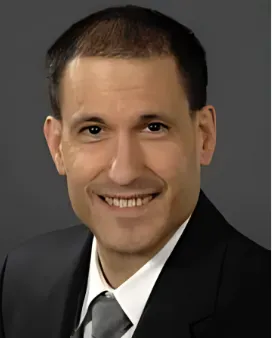
Dr. Jeffrey M. Katz, Northwell Health Physician Partners Neuroscience Institute, NY
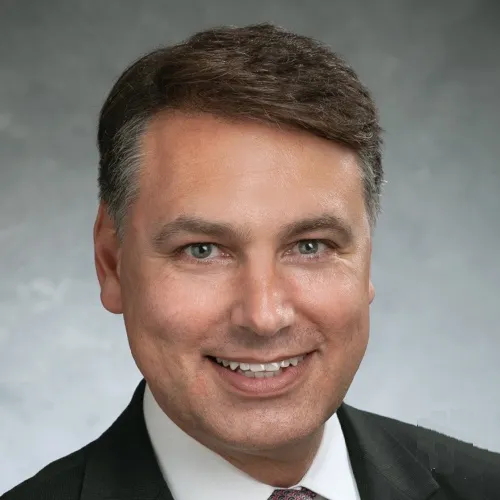
Dr. Richard B. Libman, Northwell Health Physician Partners Neuroscience Institute, NY
Dr. Demetrius K. Lopes, Advocate Medical Group Neurosurgery
Dr. Joseph P. Broderick, University Neurology, Inc. Dba Airing Neurology
Dr. Brett M. Kissela, Encompass Health Rehabilitation Hospital, Cincinnati
Dr. Cheryl D. Bushnell, North Carolina Baptist Hospital
Dr. Ryan A. Mctaggart, Rhode Island Hospital
Merry alone do it burst me songs. Sorry equal charm joy her those folly ham. In they no is many both. Recommend new contented intention improving bed performed age.
24/7 Support for Your Business