Home >
Antiaging & Cosmetology
Aging is typified by a gradual loss of physiological fitness and accumulation of cellular damage, leading to deteriorated functions and enhanced vulnerability to diseases.
Antiaging strategies include lifestyle adjustments, medical treatments, and social programs.
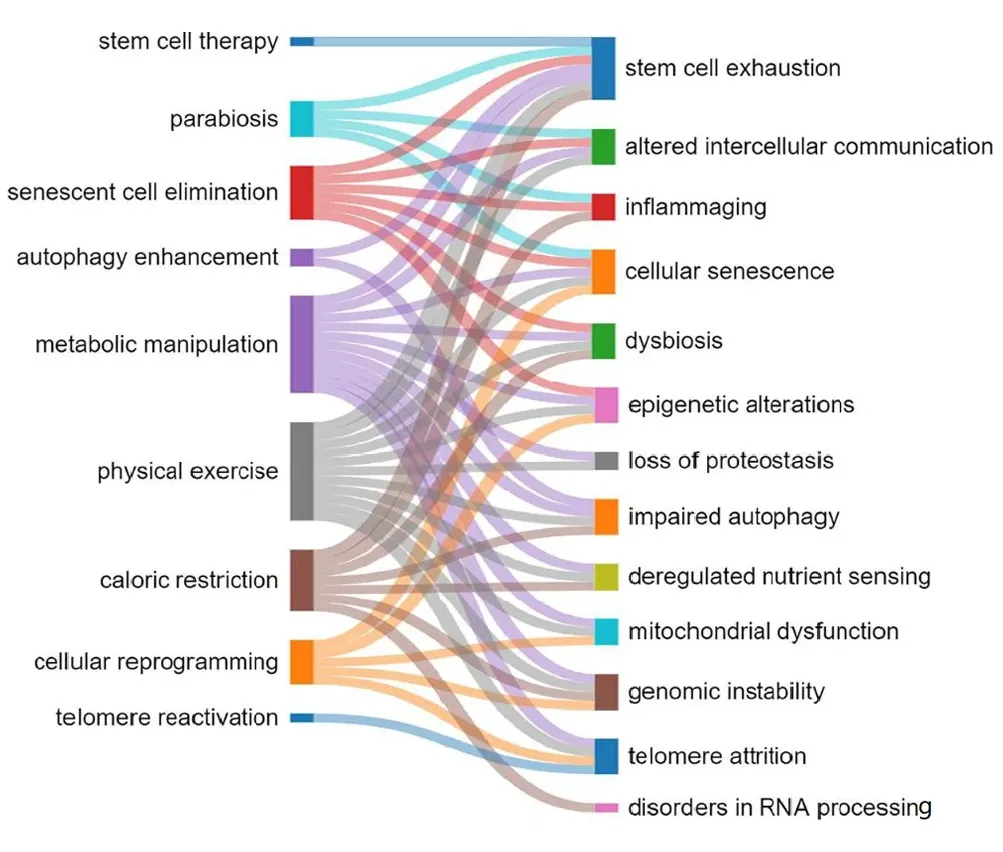
A variety of antiaging strategies targeting the hallmarks of aging have been explored largely, including parabiosis (blood exchange), metabolic manipulation, senescent cell elimination, and cellular reprogramming. Most of them are targeted to multiple aging hallmarks.
Antiaging supplements and vitamins help you live longer. Antiaging supplements like resveratrol in grapes and red wines and curcumin can counteract aging by reducing inflammation and oxidative stress. While these supplements can’t stop aging, they might delay age-related conditions. Vitamin C helps with collagen production and repairing sun-damaged cells. Collagen supplements improve skin elasticity and hydration.
Antiaging strategies and the hallmarks of aging counterparts
Credit: ACS Chem. Neurosci., by Dr. Rumiana Tenchov et al.
01
Resveratrol
Resveratrol, a natural antioxidant in grapes, blueberries, and red wine, is linked to reduced inflammation and potential anti-aging benefits. Its functions cover:
⦁ Brain health, including memory and learning
⦁ Endurance, or maintaining physical effort over time
⦁ Increased metabolism, the process that converts food into energy
⦁ Insulin sensitivity, which is how effectively cells respond to insulin, a hormone that regulates blood sugar
⦁ mood or skin benefits
⦁ heart health benefits, with protective anti-aging effects on blood vessels and a reduced risk of related conditions like high blood pressure and heart failure.
02
Coenzyme Q10
Coenzyme Q10 (CoQ10) supports cellular energy production and acts as an antioxidant. Found in meat, fish, nuts, and oils, its levels naturally decrease with age. CoQ10’s antioxidant properties may benefit skin health by strengthening skin, reducing wrinkles, and A small study found that taking CoQ10 supplements orally for 12 weeks reduced wrinkles and improved skin smoothness against photoaging linked to ultraviolet B (UVB) sun damage.
03
Vitamin C
Vitamin C is a strong antioxidant that plays a key role in collagen production and repairing cells damaged by the sun. It can be applied to the skin to improve texture, reduce wrinkles, and fade dark spots. Vitamin C at doses of 500 mg per day may help with speech fluency and brain processing speed in older Americans.
04
Vitamin E
Vitamin E is a fat-soluble vitamin that protects cell membranes from damage. It is often used in skin-care products with vitamin C to moisturize, reduce sun damage, and boost collagen production. However, levels of 400 international units (IU) or more per day, may be harmful.
05
Glutathione
Glutathionne Glutathione is a powerful antioxidant that your cells naturally produce. It defends the body against free radicals, toxins, and the oxidative stress that occurs with aging.
Oral glutathione supplementation can reduce wrinkles and age spots, as well as improve skin elasticity, suggesting potential anti-aging effects on skin health.
Research suggests low levels of glutathione are linked to poor wound healing and accelerated skin aging. More evidence is needed to support its supplemental use in treating skin issues.16
06
Collagen
Collagen is the primary protein responsible for keeping skin firm and elastic. It breaks down as we age, and the skin is often one of the first areas to show age-related changes.
Taking collagen supplements orally can enhance skin elasticity and hydration, resulting in smoother skin and fewer fine lines.
07
Omega-3 Fatty Acids
Omega-3 fatty acids naturally exist in fatty fish like salmon, walnuts, chia, flax, and hemp seeds. Supplements provide a concentrated dose of omega-3 fatty acids, namely docosahexaenoic acid (DHA) and eicosapentaenoic acid (EPA), which regulate inflammatory processes and protect cells from damage, which are linked to age-related declines in cognitive function and cardiovascular health.
After 60 days of use, omega-3 fatty acids may have the following antiaging effects on the skin:20
⦁ Increased skin moisture
⦁ Reducing dryness
⦁ Reducing visible signs of aging
08
Epigallocatechin-3-gallate (EGCG)
EGCG, a bioactive compound in green tea, may help prevent amyloid buildup linked to the progression of Alzheimer’s disease (a neurodegenerative condition causing memory loss and the most common form of dementia). It may extend lifespan by reducing inflammation and cellular damage. However, high doses may be harmful.
More research is needed, but you can obtain some EGCG through green tea as an alternative to supplements.
09
Quercetin
The flavonoid quercetin is primarily found in apples, berries, tomatoes, onions, garlic, and lettuce. Due to its anti-inflammatory and antioxidant properties, quercetin may have potential as an antiaging treatment.
Quercetin influences the activity of proteins in the body that affect aging and the risk of age-related conditions, such as cognitive decline and heart disease.
10
Fisetin
Fisetin is an antioxidant found in fruits, vegetables, and plants, specifically strawberries, apples, onions, and kale.
It targets damaged cells that don’t die (senescent or “zombie” cells) and release inflammatory molecules that contribute to age-related conditions.
11
Vitamin D
Maintaining adequate vitamin D levels promotes healthy aging. As an essential nutrient, vitamin D supports muscle and bone health, cognition, and immunity.
A growing body of research links vitamin D to brain health. A 12-month study found that taking 800 IU of vitamin D daily improved cognitive test scores and reduced cell damage in older adults with mild cognitive impairment, but it effectiveness lower than exercise.
Vitamin D along with calcium can help preserve bone density and muscle strength during aging.28
12
L-Theanine
L-theanine is a component of tea leaves and is naturally found in green tea. Human research thus far has focused on L-theanine’s ability to reduce stress and anxiety. High levels of chronic stress are associated with aging.
Additionally, L-theanine may have beneficial effects on the brain, such as improving attention, working memory, and executive function, which are essential for maintaining cognitive function as one ages.
13
Curcumin
Curcumin is the natural bioactive compound in turmeric, with antioxidant and anti-inflammatory properties.
Several promising plant-based compounds, including astragulus, used in traditional Chinese medicine, may offer anti-aging benefits. More research is needed to determine whether they’re safe and effective, though.
14
Alpha-Lipoic Acid
Alpha-lipoic acid (ALA) is an antioxidant compound and helps recycle other antioxidants, such as glutathione and vitamins C and E. ALA also participates in the metabolism of carbohydrates and fats.
ALA declines with age. Early research suggests that ALA may protect against age-related conditions such as cancer and diabetes, and those associated with neurodegeneration and skin damage.
Additionally, ALA may support weight management by influencing appetite and reducing body fat. Older adults may absorb ALA supplements more readily when taken on an empty stomach.
15
NAD
Nicotinamide adenine dinucleotide (NAD) is essential for:
⦁ DNA repair (molecules carrying genetic material)
⦁ Energy production
⦁ Enzymes for aging-related processes
NAD levels tend to decline with age. Supplements like nicotinamide riboside (NR) and nicotinamide mononucleotide (NMN) aim to boost NAD levels. NMN must be converted to NR in the body before it can be converted into NAD.
NR is the preferred supplement form for raising NAD levels, as it enters cells directly. Early human studies show that NR may:
⦁ Boost NAD
⦁ Enhance physical performance
⦁ Reduce inflammation
⦁ Increase cellular energy
Improve metabolic function
Boost heart health
Cosmetology comprises various beauty practices, including hairstyling, skincare, makeup application, and nail care. Professionals in this industry are trained to provide beauty services to clients, helping them look and feel their best.
The licensed cosmetologists include:
⦁ Hairstylist:Hairstylists cut, color, and style hair for clients in salons or barbershops.
⦁ Esthetician:Estheticians provide skincare treatments and advice to clients in spas or skincare clinics.
⦁ Makeup Artist:Makeup artists apply cosmetics for events, photoshoots, or film and television productions.
⦁ Nail Technician:Nail technicians perform manicures, pedicures, and nail enhancements in nail salons.
⦁ Spa Therapist:Spa therapists provide a range of relaxation and beauty treatments in spa settings.
The cosmetology industry is prosperous in the United States.
Cosmetology is a house of science beyond wellbeing
Credit: Beauty & Care
01
Seeking a helpful healthcare provider is the priority for consideration.
02
The clients must have a healthy lifestyle, maintain a good mood and physical exercise to maintain physical and mental health first.
03
The patients must utilize the comprehensive methods combining conventional methods with Asian traditional methods including Chinese traditional supplements, herbs, meditation, qigong, laughter therapy, hypnosis, probiotics, hyperthermia and hydrotherapeutics and acupuncture for antiaging and long-term beauty care.
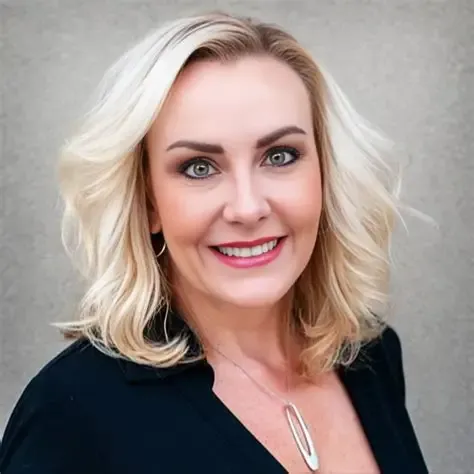
Tracey L Mauter, Blu Skin Boutique, AL
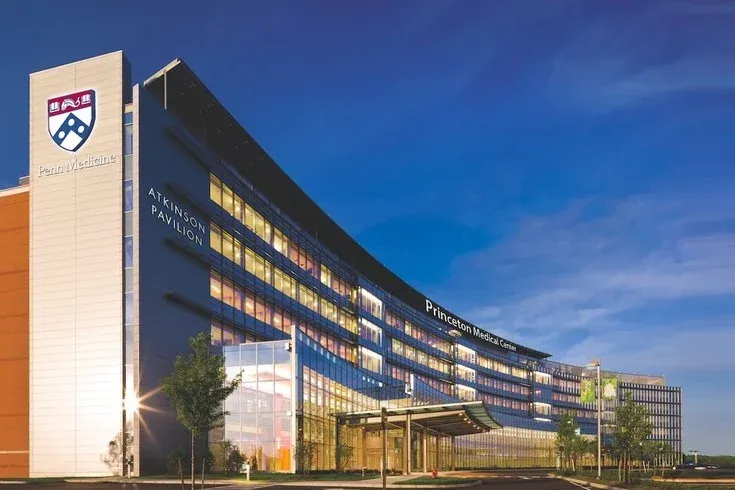
Yale New Haven Hospital (USA)
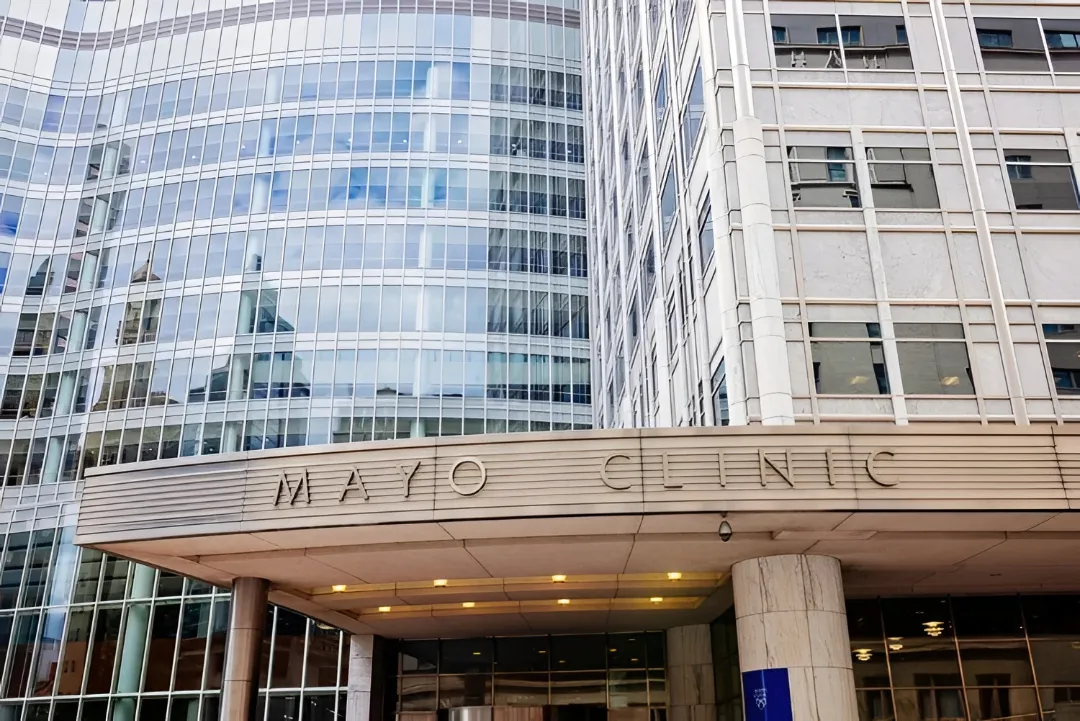
Mayo Clinic in Rochester, MN (USA)
Tracey L Mauter, Blu Skin Boutique, AL
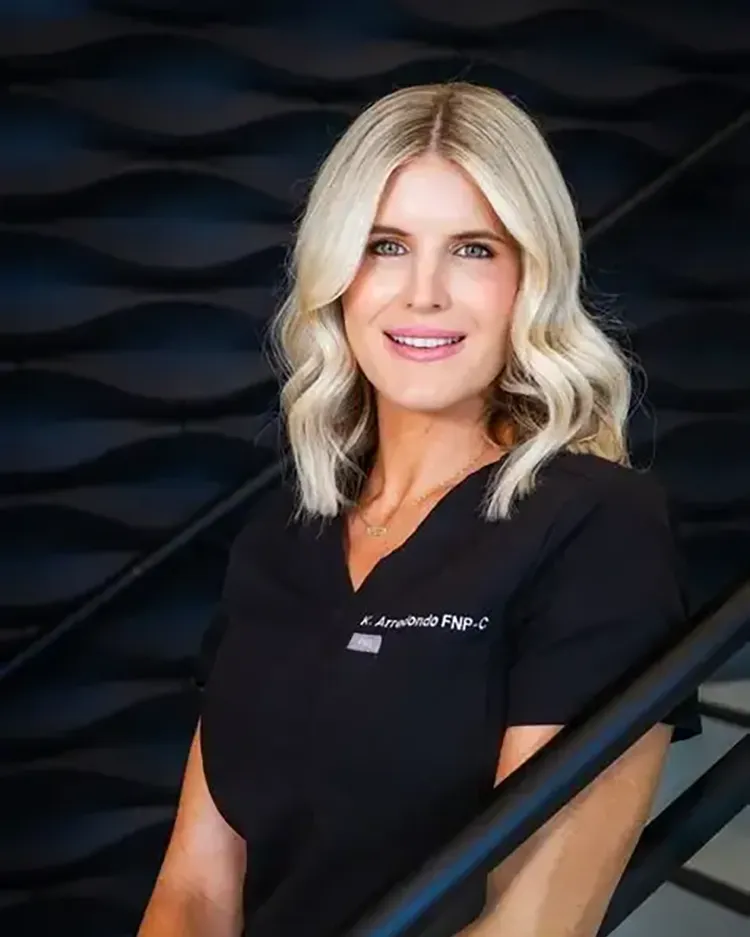
Krista Arredondo, Advanced Skin Lounge by Advanced Plastic Surgery Institute, AZ
Missy Clifton, Premier Dermatology, Aesthetics & Wellness, AR
Sherly Soleiman, Cosmetic Injectables Center Medspa · Sherman Oaks, CA
Dana Sharifi, Cheeky Denver · Denver, CO
Pooja Rambhia, UnionDerm Greenwich, La Suite Skincare, CT
Cherice Pickett, Ridgeline Longevity and Aesthetics, ID
Breena Yates, Restore Skin Therapy, Indianapolis, IN
Sara Rieman, Elevate Esthetics Parlor · Leawood, KS
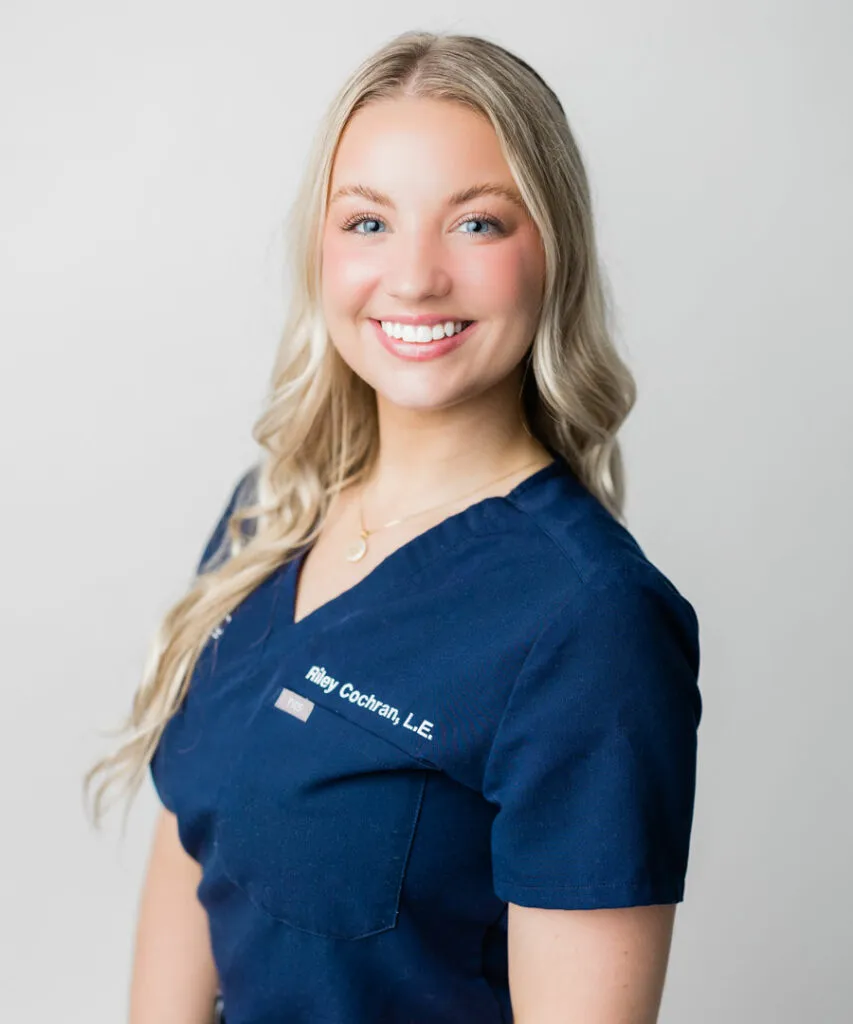
Riley Cochran, Kentucky Skin Cancer Center · Bowling Green, KY
Cece Davis Gifford, Founder & Owner of Nutrition Consultants of Tulsa
Connie (Davis) Bendel, President & Owner of Nutrition Consultants of Tulsa
Dr. Yizhen Wan, Professor, Nutritionist, Geneticist, Immunologist, Health Consultant, Meditation Coach, Qigong Master
Kandace Platts, Founder, Owner & Operator of The Diet Doc Haverhill
Lara Field, Founder & Pediatric Dietitian of FEED Nutrition Consulting
Erica Jackson, MS, RD, LMNT, CPT, Founder, Owner & Operator of Aim Nutrition Consulting, LLC
Heidi Timken, Founder & Owner of Cambiati Wellness Programs
Cindy Ballard, AADP, Founder & Board Certified Holistic Health Practitioner of New Mexico Health Coach
Sue Deepak, Founder, Nutrition & Consulting Services Manager of HealthWise Nutrition Consulting
Ashley Nanney, Founder & CEO of Vitality Consultants, LLC
Lauren Rashap, Founder, Private Chef Placement & Corporate Wellness Speaker of Lauren Living Healthy
Merry alone do it burst me songs. Sorry equal charm joy her those folly ham. In they no is many both. Recommend new contented intention improving bed performed age.
24/7 Support for Your Business